- Home
- Travel guides
- Uttarakhand
About Uttarakhand
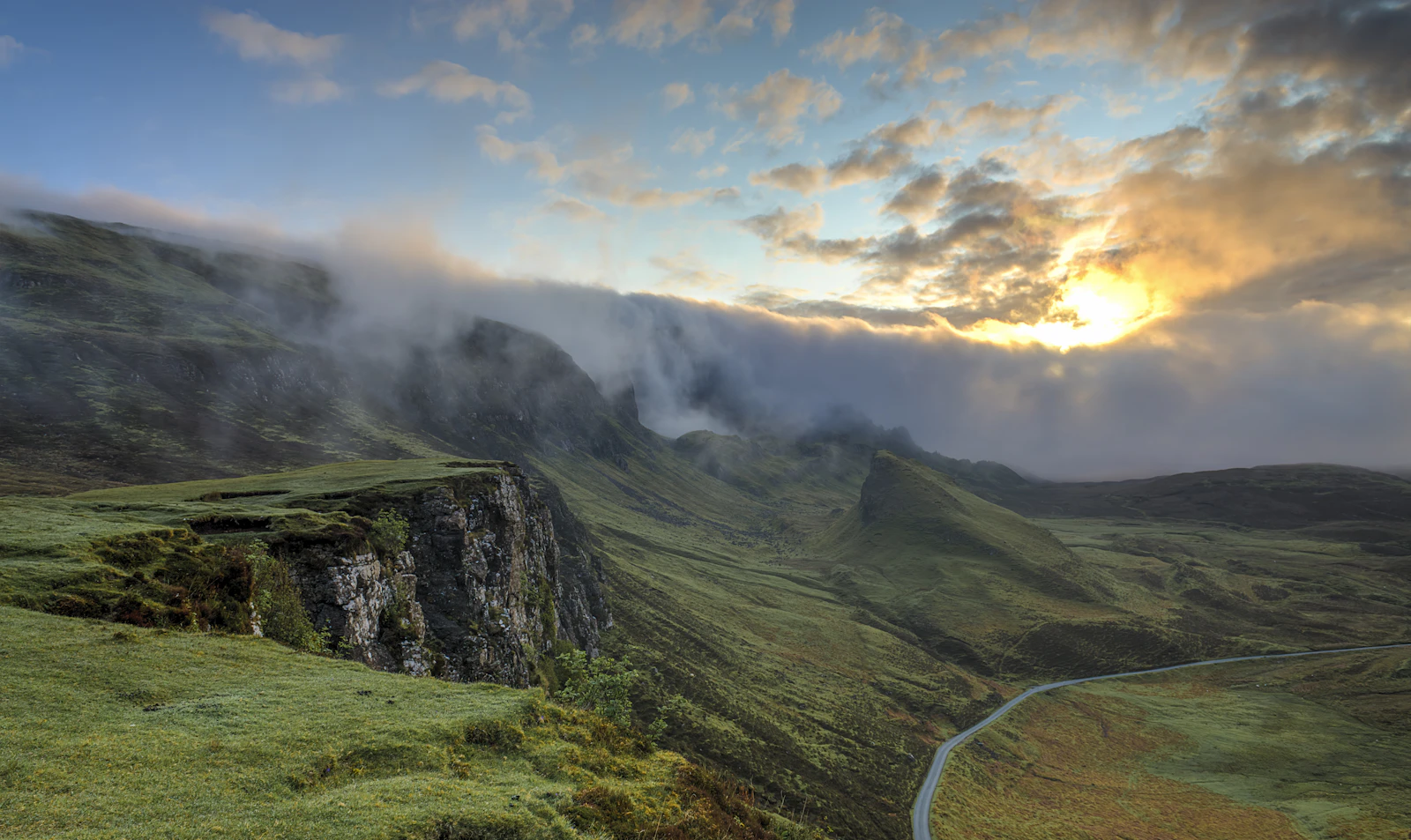
Uttarakhand is two mountain ranges wearing one state's name. Garhwal in the west holds the pilgrimage circuit — Gangotri, Yamunotri, Kedarnath, Badrinath — and the trekking routes that share their valleys: Kedarkantha, Har Ki Dun, Valley of Flowers. Kumaon in the east is quieter and less built up, centred on Nainital and the Pindari and Milam glacier routes, and gets a fraction of the trekking traffic Garhwal does for reasons that have more to do with road access than scenery.
What draws most first-time trekkers here is not one trail but a working formula: Dehradun or Rishikesh as the gateway, a night drive or two to a road-head village, then three to six days on foot to a snow-line meadow or a ridge with a 360-degree view of peaks that include Bandarpunch, Swargarohini or the Gangotri group depending on the route. None of these are technical climbs. Most are graded easy to moderate, walkable by a reasonably fit person with no prior high-altitude experience, which is the entire reason Uttarakhand carries the bulk of India's weekend and week-long trekking market.
The honest caveat: this is also the most crowded trekking region in the country in peak season. Kedarkantha in the last week of December can have several hundred people camped at the summit base on a clear night, headlamps visible from the ridge below. If solitude matters more to you than convenience, the Kumaon side or the shoulder months either side of the main season deliver a genuinely different experience for the same trail difficulty.
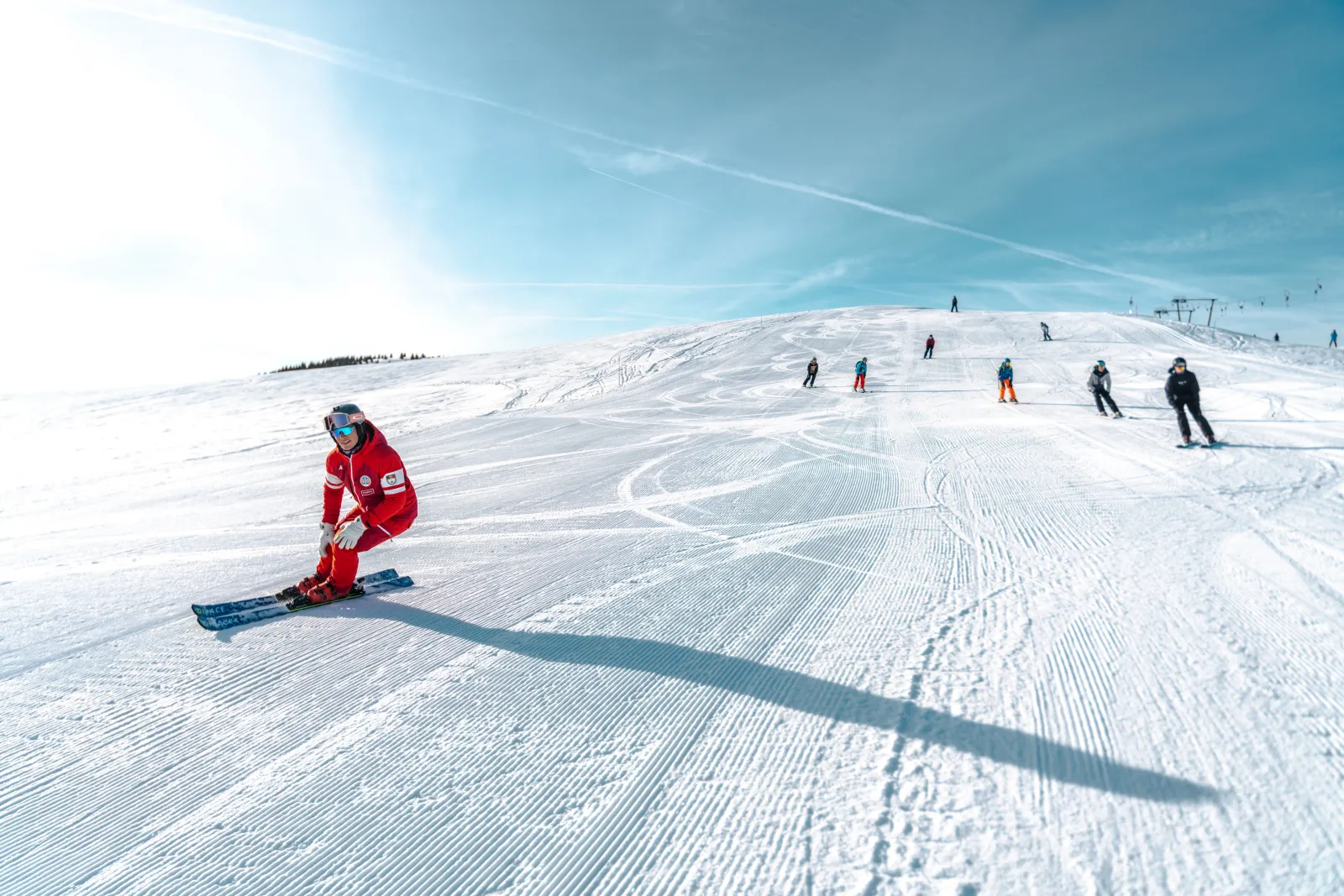
Rishikesh itself has become a destination independent of the treks that start near it — the Ganga aarti at Triveni Ghat and Parmarth Niketan, the yoga and ashram circuit, and increasingly rafting and bungee operators along the Kaudiyala stretch. Many trekking itineraries build in a day here at either end, and it earns it.
Things to do in Uttarakhand
Kedarkantha summit
Kedarkantha summit at sunrise — a 360-degree ring of snow peaks, reachable in a 4-5 day trek most winters
Find adventuresValley of Flowers
The Valley of Flowers in full bloom, roughly late July to mid-August, when the alpine meadow turns into a UNESCO-listed carpet of colour
Find adventures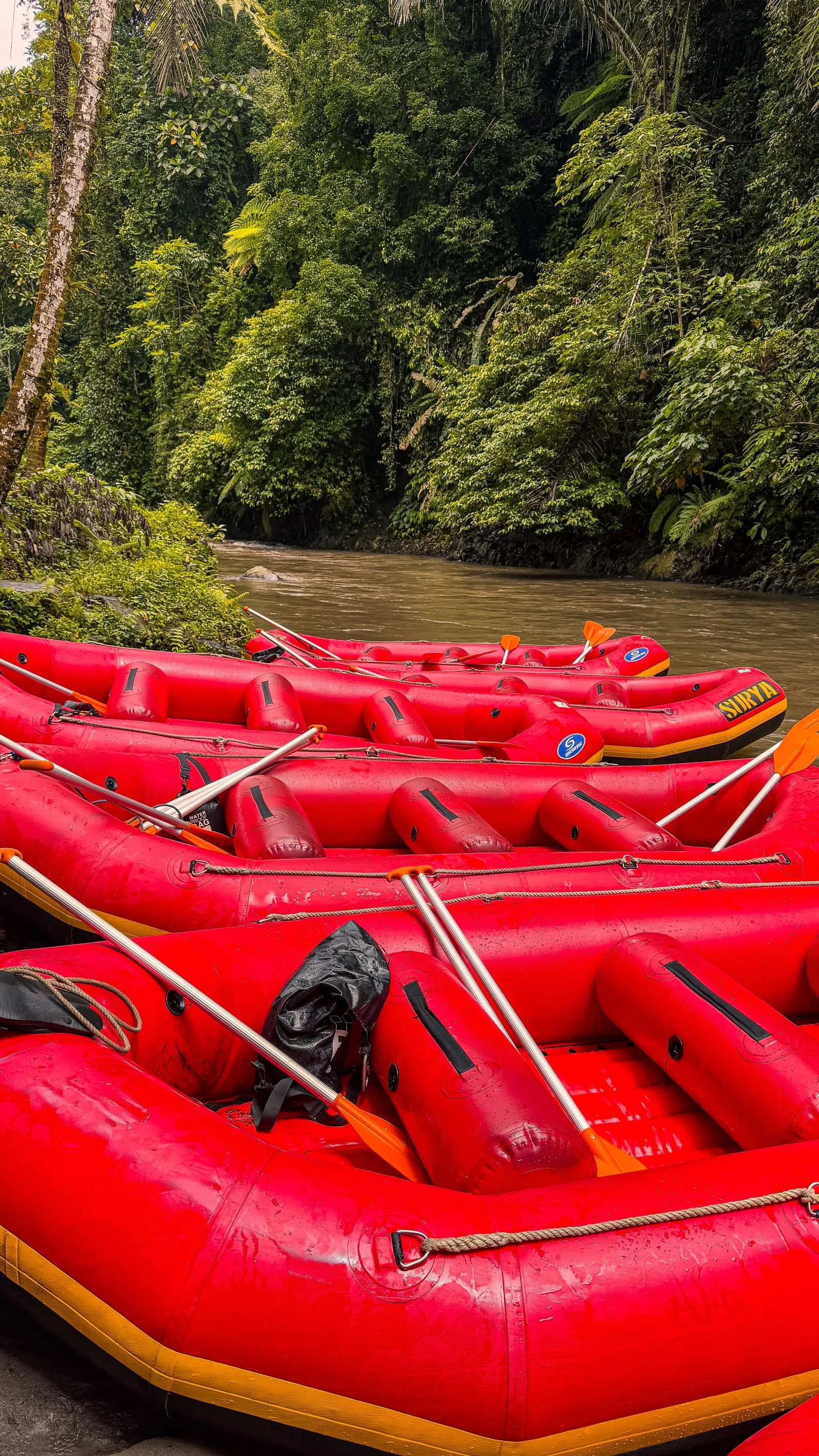
Har Ki Dun Swargarohini
Har Ki Dun's Swargarohini views and the still-inhabited Osla village along the way, one of the oldest continuously lived-in villages on the route
Find adventuresRishikesh
The Ganga aarti at Rishikesh's Triveni Ghat, most evenings, free to attend and worth timing your arrival around
Find adventures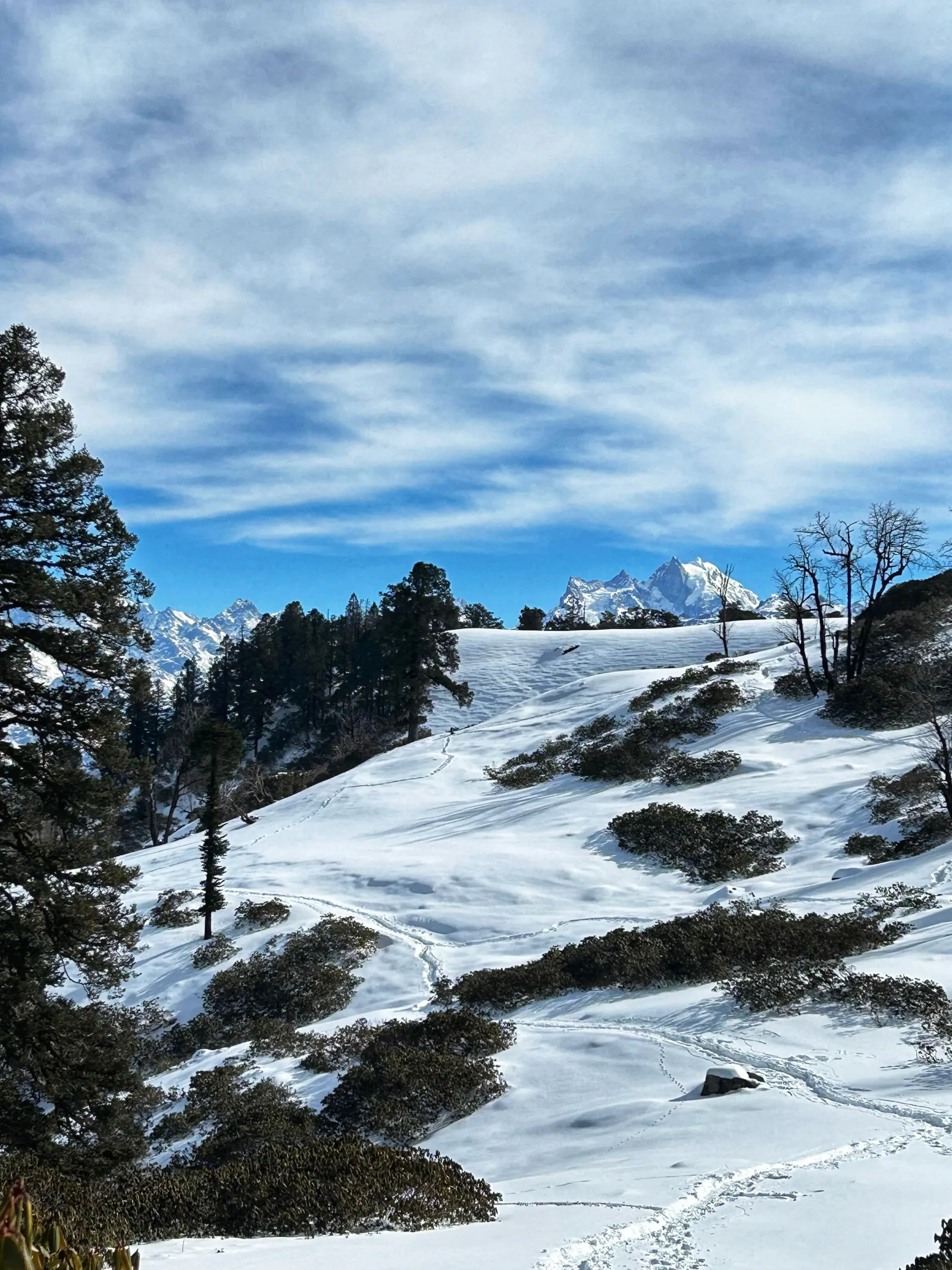
Auli
Auli's cable car and its winter skiing runs, the most developed ski infrastructure in the Indian Himalaya
Find adventuresDeoriatal
Deoriatal's reflection of Chaukhamba on a still morning, a two-hour walk-in that makes it one of the more accessible high-altitude lakes in the state
Find adventuresChopta Tungnath
Chopta's Tungnath, the highest Shiva temple in the world, and the further climb to Chandrashila summit above it
Find adventuresNag Tibba
Nag Tibba as a genuine one-night, low-commitment introduction to Himalayan trekking, doable most weekends of the year
Find adventures


Places to see in Uttarakhand
Named things worth going out of your way for, whichever trip you end up booking.
Kedarkantha Trek
trekThe most-booked winter trek in India, a 4-5 day route from Sankri to a 12,500-ft summit through snow-laden pine and oak forest. Popular precisely because it delivers a genuine high-altitude summit view for a beginner-level effort, which is also why it's the most crowded trail in the state through December and January.
Valley of Flowers National Park
natureA UNESCO World Heritage alpine meadow that opens to visitors only from around June to early October, entry via a steep day-hike from Ghangaria. The bloom peaks in late July and early August, when several hundred flower species are out at once; arrive outside that window and the valley is green rather than technicolour.
Har Ki Dun Valley
trekA cradle-shaped valley below the Swargarohini peaks, reached via Sankri and the ancient village of Osla, whose wooden architecture and Duryodhana temple predate most of what's built anywhere else on this route. A moderate 6-7 day trek with a real sense of walking into a place that has changed slowly.
Rishikesh
townThe gateway to Garhwal and a destination in its own right — the Ganga aarti, the Lakshman Jhula and Ram Jhula suspension bridges, an ashram and yoga scene that draws its own separate crowd, and rafting on the river stretch above town. Most Uttarakhand itineraries touch it at the start or end.
Kedarnath Temple
templeOne of the twelve Jyotirlingas and the terminus of the Char Dham circuit, reached by a 16-km paved trek or pony/helicopter from Gaurikund. Rebuilt substantially since the 2013 flood; the pilgrimage season runs roughly May to early November and gets extremely crowded around major festival dates.
Auli
adventureA ski resort with views of Nanda Devi, reached by one of Asia's longer cable cars from Joshimath. Skiing runs a short winter season; outside it, the same slopes and the cable car ride are worth it for the views alone.
Chopta and Tungnath-Chandrashila
trekChopta is a small meadow settlement that serves as the base for Tungnath, the highest Shiva temple in the world, and the further climb to Chandrashila summit for a Himalayan panorama achievable as a long day trip or overnight.
Deoriatal
lakeA high-altitude lake known for reflecting the Chaukhamba massif on calm mornings, reached by a manageable 2-hour walk from Sari village — often combined with Chandrashila as the Deoriatal-Chandrashila trek.
Nainital
townA colonial-era hill station built around the Naini Lake, in Kumaon rather than Garhwal. Busier and more commercialised than most Kumaon towns, and the usual base for exploring the quieter hill stations nearby — Bhimtal, Sattal, Mukteshwar.
Brahmatal Trek
trekA winter trek to a frozen lake with direct views of Trisul and Nanda Ghunti, similar in difficulty and season to Kedarkantha but with noticeably fewer people on the trail — the usual recommendation for someone who wants the Kedarkantha experience without the Kedarkantha crowds.
Kuari Pass
passA high traverse near Joshimath with a well-documented history — Lord Curzon walked it in 1905, which is why it's sometimes called the Curzon Trail. Views run from Nanda Devi to Dronagiri and it's typically done as a 5-6 day trek.
Pindari Glacier Trek
trekKumaon's answer to Garhwal's more famous routes — a longer, quieter trek to the snout of the Pindari Glacier, base-camping out of Khati village. Fewer operators run it, which is exactly its appeal to people who've done the busier Garhwal trails.
Dayara Bugyal
natureOne of the largest high-altitude meadows in the Himalaya, an easy-to-moderate trek near Uttarkashi that's become a popular alternative to Kedarkantha for the same reason Brahmatal is — comparable scenery, a shorter walk-in, and fewer people.
Where to base yourself in Uttarakhand
The western and larger of Uttarakhand's two regions, home to the Char Dham pilgrimage sites and the bulk of the state's popular treks — Kedarkantha, Har Ki Dun, Valley of Flowers, Kuari Pass. Better road and homestay infrastructure than Kumaon, and correspondingly more crowded.
See adventures- Kumaon
The eastern region, centred on Nainital, Almora and Ranikhet, with its own trekking routes to the Pindari and Milam glaciers. Quieter and less developed for trekking tourism specifically, which appeals to travellers who've already done the Garhwal circuit.
See adventures - Sankri
The road-head village for Kedarkantha and Har Ki Dun, a six-hour drive from Dehradun through the Mori valley. Functions as the last town with real shops, a mobile signal (patchy) and hot food before the trail proper begins.
See adventures Rishikesh-Dehradun corridor
The arrival point for almost every Garhwal trek — Dehradun has the nearest airport and railway station, Rishikesh is 45 minutes further and where most operators actually base their pickup. Worth a day on either end for the aarti, the ashrams, or the rafting.
See adventures- Chopta-Ukhimath belt
The base area for Tungnath, Chandrashila and Deoriatal, a couple of hours from Rudraprayag on the road toward Kedarnath. Smaller-scale and less commercial than Sankri, with homestays rather than hotel infrastructure.
See adventures
Planning a trip to Uttarakhand
Getting there
Dehradun's Jolly Grant Airport is the nearest airport for most Garhwal treks, with direct flights from Delhi and a handful of other metros; Dehradun and Haridwar railway stations are the more commonly used arrival points since flight frequency is limited. From either, it's typically a 5-7 hour drive to the trekking road-heads — Sankri, Joshimath, Ukhimath — depending on which trek you've booked.
Most operators run this last stretch as an overnight or early-morning shared vehicle from Dehradun or Rishikesh rather than expecting travellers to arrange it themselves, and it's worth confirming which it is before you book: an overnight drive changes how you plan the day either side of it.
Kumaon treks generally route through Kathgodam railway station or Pantnagar airport instead, further east, and are less commonly reached via Dehradun.
When to go
Uttarakhand runs on two main trekking seasons with a monsoon gap between them. March to June is spring into early summer — rhododendrons at lower elevations in March-April, warming through May, and increasingly hazy, hot lowlands by June even as the high trails stay pleasant. This window ends with the monsoon, which arrives by late June and makes most trails unsafe and unpleasant with landslides on the approach roads through August.
The Valley of Flowers is the one major exception: it's only open during the monsoon months (roughly June to early October) because that's when the meadow blooms, and the bloom itself peaks in late July and early August.
September through November is the second major window and arguably the clearest air of the year, post-monsoon skies with minimal haze, though nights get cold fast by November. December through February is winter trekking season proper — Kedarkantha, Brahmatal, Dayara Bugyal, all snow treks, genuinely beautiful and genuinely cold, with trails that can be closed after heavy snowfall. Late December to early January is peak crowd season on the well-known winter routes.
Permits and fees
Most Garhwal treks pass through reserve forest or eco-sensitive zones and carry a forest entry fee collected at a check-post along the way — modest, paid in cash, and normally handled by your trek operator as part of the package rather than something you arrange yourself. The Valley of Flowers specifically requires a separate national park entry permit, again usually built into the trip cost by any operator running it.
Foreign nationals occasionally need additional paperwork for treks near the Indo-Tibetan border areas in the state's northern reaches (Niti and Mana valleys, for instance) — this doesn't affect the popular Kedarkantha/Har Ki Dun/Valley of Flowers routes, but it's worth asking your operator directly if your itinerary runs close to the border.
Altitude and health
Most of Uttarakhand's popular treks top out between 3,500 and 4,000 metres — Kedarkantha at around 3,800m, Har Ki Dun's higher viewpoints similar — which puts them in altitude-sickness territory but not the extreme range. A gradual multi-day ascent with a rest or acclimatisation day built in is standard on well-run itineraries; be suspicious of any package that summits on day two with no build-up.
Symptoms to take seriously are a persistent headache, nausea, or unusual breathlessness at rest — report them to your trek leader immediately rather than pushing through. Descending is the reliable treatment when altitude sickness sets in, and it's always available on these routes since the trail runs back down the way it came.
Money, connectivity and staying in touch
Sankri, Joshimath, Chopta and similar road-head towns have basic ATMs but they run out of cash or go offline often enough that carrying sufficient cash from Dehradun or Rishikesh is the standard advice, since almost nothing on the trail itself takes cards or UPI.
Mobile signal is genuinely patchy to absent for most of a multi-day trek once you're a few hours past the road-head — Jio and BSNL tend to reach furthest into the valleys, Airtel and Vodafone less reliably, but none of them should be counted on above the first day's camp. Tell people at home not to expect updates until you're back.
Food and where you sleep
On the trail, food is almost always cooked by the trek crew at camp — dal, rice, sabzi, chapati, and usually a hot soup in the evening, calorie-heavy and repetitive by design rather than accident. It's adequate rather than memorable, and most trekkers are hungry enough by dinner not to mind.
In the towns before and after the trek — Rishikesh, Dehradun, Sankri — there's a real range from basic dhabas to more polished cafés catering to the trekking and yoga crowd, particularly in Rishikesh. Homestays in villages like Osla or Sari offer a different, quieter register of hospitality and simple home-cooked food, and are worth choosing over a hotel if your operator offers the option.
Good to know
Nearest airport
Dehradun (Jolly Grant), for most Garhwal treks; Pantnagar for Kumaon routes
Nearest railhead
Dehradun or Haridwar for Garhwal; Kathgodam for Kumaon
Best time to visit
March-June and September-November for most treks; June-October specifically for the Valley of Flowers; December-February for winter snow treks
Language
Hindi and Garhwali/Kumaoni depending on region; English understood in trekking towns and by most operators
Connectivity
Reliable in road-head towns, patchy to absent on the trail itself
Currency and cash
Carry cash from Dehradun or Rishikesh; ATMs in trek towns are unreliable
Typical trek grades on offer
Easy to moderate for most popular routes; genuinely difficult multi-week routes exist but are a minority of the catalogue
Facts about Uttarakhand
Who is actually running this trip?
The operator you picked on the compare screen. You book and pay MyAdventure; the operator runs the trip for us. MyAdventure handles refunds, and steps in if the batch is cancelled.
What if I cannot complete it?
Ask the operator what their turn-back protocol is — it varies by trip, and the good ones publish it.
Is the batch mixed-gender and solo-friendly?
Most departures take solo travellers and share accommodation by gender. Confirm with the operator for this batch.
Ready to go?
Every trip in Uttarakhand, with filters for dates, length, budget and style.
See 19 trips in Uttarakhand